Choosing the right custom American Mahjong sets for a retail shop requires more than picking attractive colors. The collection needs to appeal to your customers, feel comfortable in everyday use, look compelling on shelves and product pages, and arrive with packaging that protects every component.
This guide explores the decisions that matter most to boutique owners, lifestyle retailers, specialty game stores and wholesale buyers: customer positioning, materials, assortment planning, private-label customization, product quality, packaging and repeat purchasing. The aim is to help you create a collection that is both visually distinctive and practical to sell.
Why American Mahjong Can Be a Strong Retail Category
American Mahjong is both a social game and a design-led gift. Some shoppers buy a set for weekly gatherings, others choose one as a birthday or holiday present, and collectors may seek new colors and artwork to complement sets they already own.
That combination gives retailers several merchandising opportunities. A Mahjong display can sit alongside home accessories, tabletop products, gifts and lifestyle collections, while detailed online photography can show the appeal of the tiles as both functional game pieces and designed objects.
- Gift buyers: respond to presentation, color coordination and a complete boxed experience.
- Regular players: look for readable symbols, comfortable tile dimensions and consistent quality.
- Collectors: value distinctive artwork, layered materials and limited color stories.
- Clubs and instructors: often prioritize clear specifications and reliable availability.
Understand Your Retail Customers Before Choosing Designs
A successful product range should reflect the people who shop in your store. A tourist gift shop, a premium home boutique and a specialist Mahjong retailer may all sell the same category, but they do not necessarily need the same product mix.
| Customer segment | Main priorities | Retail approach |
|---|---|---|
| New players | Clear artwork and understandable contents | Offer approachable core sets with detailed descriptions |
| Experienced players | Consistent size, feel and game format | Show precise specifications and close-up photographs |
| Gift shoppers | Packaging, presentation and color | Highlight gift-ready sets and matching accessories |
| Design enthusiasts | Distinctive palette and surface effects | Curate statement collections rather than similar variations |
| Group buyers | Repeat availability and coordinated quantities | Discuss reorder specifications early |
Before committing to a purchase, review your average selling price, available display space and existing customer preferences. These details should influence the number of styles you launch and the quantity of each design.
Choose the Right Material for Your Mahjong Sets
Material influences appearance, weight, finish and customization possibilities. Acrylic is well suited to contemporary Mahjong designs because it supports transparent and translucent effects, vivid color combinations and detailed decoration. Other materials may fit different budgets or aesthetic preferences.
| Material | Advantages | Considerations |
|---|---|---|
| Acrylic | Bright colors, layered effects, polished appearance and detailed decoration | Review thickness, surface finish, edge quality and bonding |
| Melamine-based material | Useful for standardized product ranges | Confirm available finishes and customization options |
| Wood | Traditional warmth and natural character | Consider weight, grain variation and artwork reproduction |
For a premium acrylic range, evaluate physical samples under normal retail lighting. Look at tile faces and edges, check artwork legibility and compare the tactile feel of different constructions. The best material is the one that supports your intended retail position.
Build a Balanced Assortment Instead of Too Many Similar SKUs
Offering a large number of colors can look exciting at first, but too many near-identical variations can fragment inventory and make purchasing decisions harder. Start with clearly differentiated groups and expand based on actual customer response.
Core collection
Choose a versatile design that can remain available beyond one campaign. Prioritize clear symbols, practical packaging and repeat-order consistency.
Statement collection
Introduce a bolder palette or distinctive acrylic effect for shoppers looking for a memorable gift or decorative piece.
Limited editions
Use seasonal artwork, collaborations or event-related packaging only when the quantities and production schedule make sense.
| Collection | Purpose | Key buying question |
|---|---|---|
| Core | Everyday assortment | Can it be reordered consistently? |
| Statement | Visual differentiation | Will it stand out in photographs and on shelves? |
| Limited edition | Special campaigns | Can the quantity sell within the planned period? |
Verify the American Mahjong Set Configuration
American Mahjong products have specific gameplay expectations, including jokers and often blank tiles. Commercial configurations can vary, so buyers should not assume that every set marketed as American Mahjong contains identical components.
- Confirm the exact tile count and distribution of tile types.
- Record tile dimensions, thickness and approximate weight.
- Check that numbers, symbols and artwork are readable and correctly oriented.
- Specify whether racks, pushers, dice, bags, cases and instructions are included.
- Make the product listing match the actual contents of the retail package.
Ask for a complete packing list and photographs of the approved sample. Clear specifications help avoid misunderstandings between the manufacturer, merchandising team and end customer.
Explore Custom Artwork, Private Label and OEM Options
Private-label manufacturing allows retailers to create a more distinctive collection. The scope can range from a branded sleeve or box to custom tile colors, printed artwork, engraving and layered acrylic construction.
UV printing and color
UV printing can reproduce detailed multicolor designs. Check the scale and alignment of the artwork on a physical sample rather than relying only on a digital mockup.
Engraving and layered acrylic
Engraving and layered construction create different visual and tactile results. Confirm engraving depth, layer alignment, bonding appearance and edge treatment during sample approval.
Retail packaging
Custom sleeves, inserts, storage cases and printed boxes can communicate your store's identity. Packaging choices should balance presentation, product protection and shipping efficiency.
Packaging and Product Presentation Influence Purchase Decisions
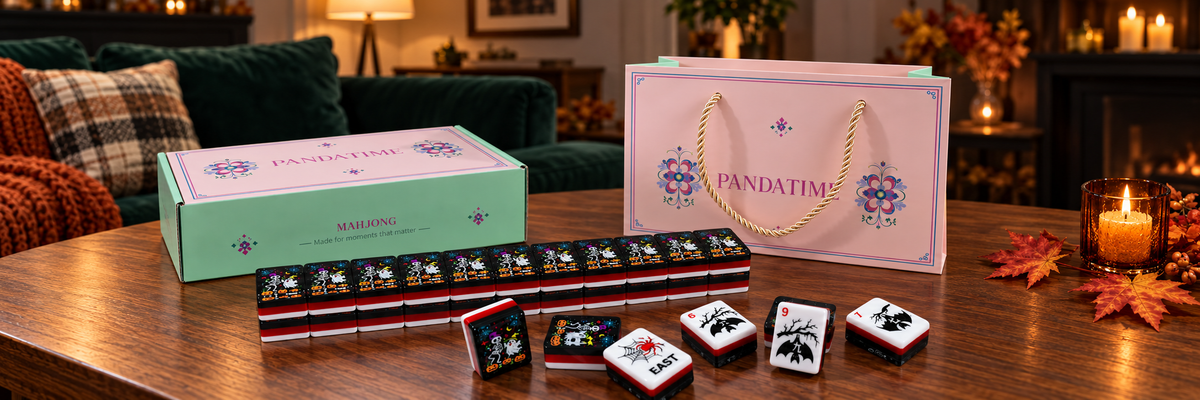
For many shoppers, the package is the first part of the product they see. Good packaging makes the set easy to recognize, explains what is included and protects it during transport and storage.
- Front: product name and clear visual identity.
- Side or back: tile count, material and included accessories.
- Inside: dividers or protective inserts to reduce movement.
- Retail operations: space for SKU labels or barcodes where needed.
- Online listings: photographs of the box, contents, close-up details and scale.
A styled hero image helps create interest, while straightforward detail images help customers understand what they will actually receive.
Quality Checks Every Retail Buyer Should Request
A visually appealing sample is only the beginning. Retailers also need consistency across a production batch. Establish product acceptance criteria before ordering so that the supplier understands the details that matter to your customers.
| Inspection point | What to verify | Retail importance |
|---|---|---|
| Dimensions | Tile size and thickness consistency | Uniform handling and presentation |
| Surface | Scratches, chips, residue and edge polishing | Appearance and customer satisfaction |
| Artwork | Print clarity, engraving alignment and color consistency | Legibility and brand presentation |
| Assembly | Layer fit, bonding and accessory compatibility | Product integrity |
| Packing | Correct contents, inserts and carton protection | Reduced packing mistakes and transit damage |
Where testing or compliance documentation is required, clarify the destination market, applicable standards and scope of the actual report. Do not assume a general material certificate automatically applies to every finished product.
Plan Order Quantities, Lead Times and Replenishment
Wholesale planning is a balance between product availability and inventory risk. Ask the manufacturer for the minimum order quantity for each design, color and packaging format. A shared material or packaging specification may simplify repeat production, but this depends on the actual project.
- Separate sample approval, bulk production, packing and transport in your launch calendar.
- Confirm whether multiple colors can share a production minimum.
- Ask whether approved artwork can be reused for later orders.
- Check whether replacement tiles or accessories can be supplied separately.
- Include freight, duties, packaging and handling in landed-cost estimates.
Compare landed cost, not only factory price
A lower unit quotation does not necessarily mean a better retail margin. Sampling, packaging, transportation, import charges and inventory holding costs all affect the total economics of a product line.
Common Retail Sourcing Mistakes to Avoid
Many avoidable problems begin with unclear specifications or unrealistic launch planning. Review these issues before confirming a purchase order.
- Choosing from photographs alone: approve an actual physical sample.
- Confusing Mahjong formats: verify the American Mahjong tile configuration.
- Overcomplicating the first collection: start with distinct, manageable styles.
- Ignoring packaging dimensions: consider shelf space and freight cost.
- Not defining inspection standards: agree on what constitutes an acceptable product.
- Planning around an unconfirmed date: allow for sample revisions and transportation.
- Focusing only on unit price: compare quality, consistency and landed cost.
A practical buying checklist is often more valuable than a long quotation. It helps your team compare suppliers against the same criteria.
Frequently Asked Questions

Can a retail shop order multiple colors in one collection?
Potentially. Whether colors can be combined toward a minimum depends on the materials, decoration process and production plan. Confirm the quantities for each variation before ordering.
Can I add my store logo to a Mahjong set?
Private-label options may include branded packaging, printed artwork or engraving. The appropriate method depends on your design and the manufacturer's capabilities.
Should I request a sample before a wholesale order?
Yes. A physical sample lets you check tile feel, dimensions, artwork, finish, accessories and packaging before approving bulk production.
What information should appear in my online product listing?
Include accurate tile count, dimensions, materials, accessories, packaging details and clear photographs. Avoid promising items or features that are not included.
How do I plan for reorders?
Keep approved specifications, artwork files, sample references and packaging details organized. Ask your supplier which parts of the process can be reused for repeat production.
What compliance documents should I request?
Requirements vary by market and product use. Confirm applicable rules with your importer or compliance adviser, then request documentation relevant to the actual material and finished product.
Conclusion: Build a Mahjong Collection Customers Want to Keep

Choosing custom American Mahjong sets for a retail store is a process of matching product design with customer expectations. Begin with your shoppers, choose appropriate materials, define the exact set configuration, plan a focused assortment and confirm the finished product with a physical sample.
When comparing manufacturing partners, look for clear communication, realistic production planning, documented specifications and a willingness to discuss the details behind the quotation. These habits help create a collection that is easier to merchandise, explain and replenish.
For retailers developing a custom acrylic Mahjong collection, sharing your target market, preferred colors, artwork, packaging ideas and expected quantities is a useful starting point for discussing manufacturing options.